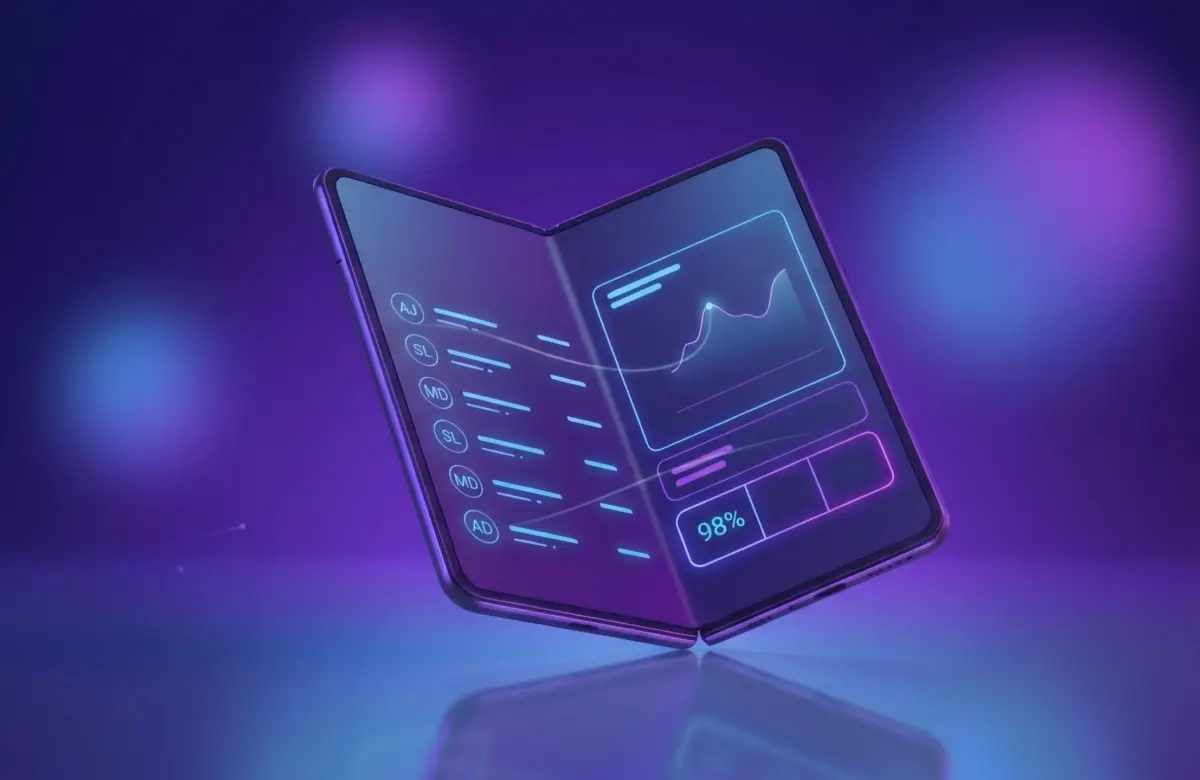



There’s a version of personalisation most apps have figured out. Your name at the top. Products based on what you bought last time. Content matched to your stated preferences. It works well. And it’s no longer the differentiator.
Think about what you need from an app at 7am versus 7pm. Or on a Thursday after a long client call versus a Friday morning when the week is just starting. Or when you’re running late and need the answer in ten seconds, versus when you have time and actually want to explore.
Your profile doesn’t change. Your context does.
Spotify DJ is the clearest example right now. Every few songs, a personalised AI voice steps in — a brief intro about what it picked for you and why. The playlist shifts throughout the day based on your patterns and timing, which means what you hear at 7am on a Monday commute is genuinely different from what plays on a Friday evening. The app is reading the room.
The shift happening in the most competitive apps is about reading the moment, not building a better profile. What is this user doing right now? Where are they? What else is happening in their day? And what does that tell you about what they actually need from your product in the next two minutes?
We’re seeing this in products across sectors, and the retention numbers that come with it are hard to ignore. When an app stops treating every session the same and starts adapting to the moment, the relationship with the user changes. They stop thinking of it as a tool. They start thinking of it as something that understands them.
That’s a different kind of product. And it requires a different way of thinking about the data you probably already have.
Hyperpersonalisation is one of five trends we mapped in the Tapptic Insight report: The Future App.
There are four more shifts like this one. Each mapped with a real business case study, the numbers behind it, and the product decisions that made it work.
We’re launching a new series of reports at Tapptic: short, practical briefings on the technology trends that are reshaping how apps are built, used, and competed on. Each report focuses on one question: what do these shifts mean for your business?
The full picture is in the Tapptic Insight report: The Future App.